

Coloring your hair at home can be an empowering and cost-effective way to refresh your look, express your style, or cover grays without ever stepping foot in a salon. However, diving into the world of at-home hair dyeing can feel a little overwhelming, especially with so many products, techniques, and shades available. Whether you're aiming for subtle highlights or a bold new hue, understanding where to start is key to achieving fabulous, salon-worthy results in the comfort of your own bathroom.
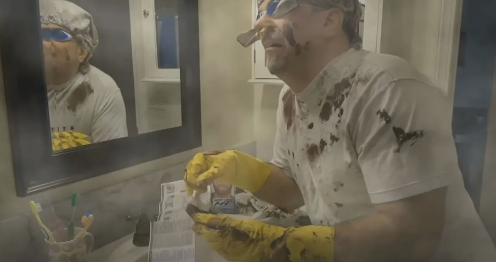
From selecting the right color to preparing your hair and mastering the application process, this guide will walk you through everything you need to know to color your hair confidently and safely at home. And if you're also exploring grooming options for facial hair, such as Beard Clolors, it's equally important to follow proper preparation and application steps to protect both your hair and skin.
Key Points
Understand your hair type and condition before choosing a color.
Select the right dye formula for your desired result and commitment level.
Perform a strand and patch test before full application.
Prepare your hair, tools, and workspace for a mess-free experience.
Follow the timing and rinsing instructions precisely to avoid damage.
Use post-color care to maintain vibrancy and hair health.
Understanding Your Hair Type and Condition
Before you even pick up a box of dye, it’s crucial to consider your hair’s current condition. Is your hair dry or damaged? Has it been chemically treated recently? These factors will affect how your hair takes color, how it processes dye, and how long it holds onto the pigment.
Hair Porosity
Porosity refers to how well your hair absorbs and retains moisture. Highly porous hair may absorb color quickly but also lose it faster, while low-porosity hair might resist coloring. Understanding this can help you adjust your application technique or choose the right product.
Texture and Thickness
Fine hair tends to process color faster than thick or coarse hair. If your hair is on the finer side, you may need less processing time to avoid over-saturation or damage.
Choosing the Right Hair Color
One of the most exciting, and daunting, steps is selecting your shade. Here’s how to do it with confidence:
Determine Your Skin Tone
Is your skin tone warm, cool, or neutral? Cool-toned individuals may look best in ashy blondes, cool browns, and blue-based reds, while warm-toned people may shine with golden blondes, copper reds, and honey browns.
Start With a Conservative Shift
If you’re new to hair coloring, stay within two shades of your natural color, either lighter or darker. This minimizes the risk and is easier to correct if something goes wrong.
Understand Color Categories
Temporary: Washes out after 1–2 shampoos. Great for trying bold colors.
Semi-permanent: Lasts around 6–12 washes. Ideal for subtle changes or refreshing faded color.
Demi-permanent: Lasts 24–28 washes. Doesn’t lighten hair but blends grays well.
Permanent: Long-lasting and often used for gray coverage or major changes.
Pre-Color Preparation
Don’t underestimate the importance of prep—it’s half the battle!
Gather Your Supplies
Hair dye and developer (if needed)
Gloves
Old towel or cape
Petroleum jelly (for skin protection)
Comb and clips
Timer
Wide-tooth comb or application brush
Perform a Patch and Strand Test
Always test the dye on a small section of skin and on a hidden strand of hair at least 48 hours before full application. This will alert you to potential allergic reactions and give you a preview of the color payoff.
Prep Your Hair
Hair should be dry and unwashed for 24–48 hours. Natural oils help protect your scalp during the coloring process. Avoid heavy styling products beforehand.
Application Techniques
Now to the fun part: applying the color!
Section Your Hair
Divide your hair into four sections—two in the front and two in the back. Clip each section to make the application more manageable.
Apply from Roots to Ends (or Vice Versa)
If you’re covering grays or doing root touch-up, start at the roots. For all-over color or lighter shades, you may want to apply the dye to the ends first and save the roots for last to avoid over-processing.
Time It Right
Set a timer and follow development times exactly as instructed. Leaving dye on too long can damage your hair or result in overly dark color.
Rinsing and Aftercare
Once the processing time is up, rinse your hair with lukewarm water until the water runs clear. Use the conditioner included in the dye kit or a sulfate-free, color-safe treatment.
Don't Shampoo Immediately
Wait at least 24–48 hours before shampooing to allow the color to fully set. This helps in locking in the pigment and extending the vibrancy of the color.
Use Color-Protecting Products
Invest in shampoos and conditioners specifically formulated for color-treated hair. These products help preserve your new hue and maintain healthy strands.
Maintaining Your Color
Coloring your hair is just the beginning—keeping it looking fresh is the real art.
Minimize Heat Styling
Heat tools can cause color to fade faster. Always use a heat protectant and try to air-dry when possible.
Limit Sun and Chlorine Exposure
UV rays and chlorine can strip color. Protect your hair with hats or UV sprays and rinse immediately after swimming.
Touch Up Roots Regularly
For permanent color users, roots typically require a touch-up every 4–6 weeks. Use root touch-up kits if you're short on time or dye.
FAQ: Coloring Hair at Home
Can I lighten my hair at home safely?
Lightening hair at home is possible, but it requires more care. Bleaching agents can be harsh, and multiple sessions may be needed. Consider consulting a professional if going more than 2–3 shades lighter.
What if I don’t like the result?
If the color turns out too dark or not what you expected, don't panic. Clarifying shampoos can help fade the dye. You can also neutralize unwanted tones with color-correcting shampoos (like purple for brassy blonde or blue for orange tones).
Is box dye bad for your hair?
Not necessarily. Many box dyes now include nourishing ingredients and are formulated for home use. The key is to follow directions, not over-process, and use quality conditioners.
How often can I dye my hair?
It depends on the type of dye. Semi-permanent dyes can usually be reapplied every 2–3 weeks. With permanent dye, wait at least 4–6 weeks between full applications to protect hair health.
Can I mix different hair dye colors?
Yes, but only if you're familiar with color theory and using dyes from the same brand and product line. Mixing different formulas can lead to unpredictable results.
What’s the difference between professional and drugstore dyes?
Professional dyes often offer more customized formulations and a broader color range. However, many drugstore options are high quality and effective if used correctly.
Should I wash my hair before coloring?
It’s best to dye on hair that hasn't been washed for at least 24 hours. Natural oils act as a barrier between your scalp and chemicals in the dye.
Can I color my facial hair with regular hair dye?
Facial hair tends to be coarser and more sensitive than scalp hair. It’s better to use products specifically designed for beards, such as specialized Beard Clolours, which are formulated to be gentler on the skin and more effective on coarse hair.