
Dyeing your hair at home or even at a salon can be a fun way to reinvent your look, express your style, or cover up grays. However, without proper knowledge and preparation, hair dyeing can quickly turn into a frustrating experience, leading to uneven color, damaged hair, or disappointing results. Whether you're going bold with vibrant hues or simply enhancing your natural shade, understanding what not to do can save you time, money, and stress.
One of the most common errors people make is choosing low-quality or inappropriate products for their hair type and color goals. For those seeking temporary or semi-permanent options, Dyes for hairs are available that cater to different needs without causing long-term damage. But that’s just one aspect. From improper prep work to skipping the strand test, a number of missteps can derail your coloring journey.
Key Points
Understand your hair type and previous treatments before dyeing.
Always perform a strand and patch test prior to full application.
Avoid drastic color changes without consulting a professional.
Use the correct developer strength and application technique.
Follow aftercare instructions to maintain color and health.
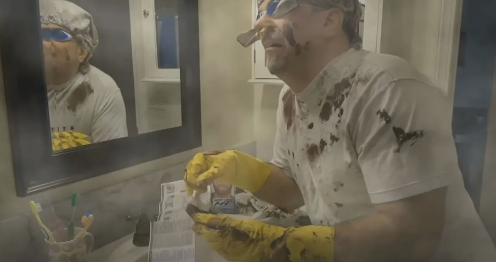
Understanding Your Hair and Its Needs
Know Your Hair Type
Before dyeing your hair, it's crucial to understand its condition—whether it's dry, oily, thick, fine, natural, or chemically treated. Different hair types respond to dye in different ways. For example, coarse hair may take longer to absorb color, while fine hair could process faster than expected, increasing the risk of over-processing.
Evaluate Hair Health
If your hair is already damaged from heat styling, bleaching, or previous dyeing sessions, proceed with caution. Dyeing compromised hair can worsen breakage, split ends, and dullness. Consider doing a deep conditioning treatment or protein mask in the weeks leading up to your dye job to improve your hair’s strength and elasticity.
Common Mistakes to Avoid When Dyeing Hair
1. Skipping the Strand and Patch Tests
While it might seem unnecessary, a strand test helps you understand how the dye will look on your actual hair. It also lets you determine processing time. A patch test is equally important to check for allergic reactions. Some chemicals in dyes can cause serious irritation or even swelling. Always follow the instructions on the box or with salon-grade products.
2. Choosing the Wrong Shade
Many people pick a color based on the box image or how it looks on someone else. But your natural hair color, undertones, and skin complexion play a major role in how a dye will appear. Consider going no more than two shades lighter or darker than your natural shade for home dye jobs. For bolder changes, seek professional advice.
3. Dyeing Dirty or Oily Hair
Contrary to popular belief, dyeing extremely dirty or oily hair can lead to uneven results. While it’s best not to dye freshly washed hair (as natural oils protect the scalp), hair that hasn’t been washed in 5–7 days could have product buildup that blocks color absorption. Ideally, wash your hair 24–48 hours before dyeing.
4. Overlapping Color Applications
When touching up roots, it's important not to overlap dye onto previously colored hair. Doing so can lead to banding or over-processing, which damages hair and results in unflattering color inconsistencies. Use sectioning clips and apply color precisely to new growth.
5. Leaving Dye on Too Long (or Not Long Enough)
Timing is everything. If you rinse out the dye too early, you'll get uneven or faded color. Leaving it on too long can dry out your hair or darken the shade beyond what you intended. Use a timer and follow the manufacturer’s recommendations closely.
6. Using the Wrong Developer Strength
The developer comes in volumes, 10, 20, 30, and 40; each with a different level of lift. Using a volume that’s too strong can cause scalp irritation and hair damage, while a developer that’s too weak may result in no color change at all. Choose the right one based on your color goal and hair condition.
7. Ignoring the Importance of Sectioning
Applying dye haphazardly can lead to patchy results and missed spots. Proper sectioning allows for even application and better saturation. Divide your hair into at least four sections and work methodically through each one.
8. Not Following Up With Aftercare
Once you've dyed your hair, the work doesn't stop there. Colored hair requires special shampoos, conditioners, and masks to maintain vibrancy and strength. Sulfate-free products are gentler and help preserve color longer. Also, reduce heat styling or use protective sprays to avoid fading.
DIY vs. Professional Dye Jobs: Know When to Call the Pros
While DIY dye kits are widely available, not all coloring jobs are suitable for home settings. Drastic changes like going from dark to platinum blonde, complex techniques like balayage, or color corrections after a failed attempt are best left to professionals.
Pros have access to high-grade products and the expertise to assess your hair and recommend the best approach. If you're unsure, it's worth investing in a consultation before attempting a dramatic change on your own.
How to Achieve Better Results at Home
Preparation Tips
Gather all tools in advance: gloves, mixing bowl, brush, clips, old towels, and a timer.
Do a strand and patch test 48 hours before dyeing.
Watch tutorials or read instructions specific to your dye brand.
Application Tips
Work in small sections for even coverage.
Apply dye from roots to ends or vice versa based on your intended result.
Check the back of your head with a mirror for missed spots.
Post-Dye Hair Care
Wait at least 48 hours before washing your hair post-dye job.
Use color-safe, sulfate-free products.
Deep condition weekly to restore moisture.
Limit sun and chlorine exposure to prevent fading.
Understanding Hair Dye Ingredients
Becoming familiar with what's in your dye can help you make informed choices. Common ingredients include:
Ammonia: Opens up the hair cuticle to allow dye to penetrate.
Peroxide: Lightens natural pigment to prep for color deposit.
PPD (para-phenylenediamine): Provides long-lasting color but may cause allergies.
Conditioning Agents: Help counteract damage from chemicals.
If you have allergies or sensitivities, look for ammonia-free or natural dye alternatives. Always read the ingredient list, especially if you’re trying a new product.
What to Do If You Make a Mistake
Color Came Out Too Dark or Light
If your color is darker than expected, try washing with a clarifying shampoo to fade it. For lighter results, a toner may help even out brassy tones. Avoid immediately re-dyeing your hair, as this can cause breakage.
Uneven Color or Patches
Use a color-correcting product or consult a colorist. In some cases, a gloss treatment can even out uneven tones. Don’t try to fix it with another box dye until you know the cause of the mistake.
Hair Damage
If your hair feels brittle or looks fried, prioritize hydration. Use masks, oils, and protein treatments to nurse your hair back to health before attempting another dye job.
FAQ: Dyeing Hair Safely and Successfully
Q1: How often can I dye my hair without damaging it?
A general rule is to wait at least 4 to 6 weeks between permanent dye jobs. Frequent dyeing, especially with ammonia-based products, can lead to dryness and breakage.
Q2: Can I dye over previously colored hair?
Yes, but the outcome will depend on the current color and condition of your hair. It’s often best to consult a professional if you’re unsure how dyes will interact.
Q3: What’s the safest dye for sensitive scalps?
Look for ammonia-free and PPD-free formulas. Temporary or semi-permanent dyes are typically less harsh and a safer option for sensitive skin.
Q4: How do I prevent my color from fading quickly?
Use sulfate-free shampoo, avoid hot water, and limit sun and heat exposure. Also, wash your hair less frequently to preserve the pigment.
Q5: Is it okay to dye wet hair?
Some semi-permanent dyes are designed for damp hair, but permanent dyes usually require dry strands for even absorption. Check your dye’s instructions carefully.
Q6: Why does my hair turn brassy?
Brassiness often appears when warm undertones are exposed after lightening. Using a purple or blue shampoo can neutralize these tones and keep your color cool and vibrant.
Q7: How do I choose the right dye color?
Assess your skin tone and natural hair color. Cooler skin tones usually go better with ash or neutral shades, while warmer complexions look great with golden or honey hues.