
When it comes to finding the perfect foundation, concealer, or even hair color, matching the shade to your skin undertone is crucial. The wrong undertone can leave your skin looking ashy, dull, or unnaturally orange. Whether you're shopping for makeup, selecting clothing, or exploring Dyes of different shades to enhance your look, understanding your undertone ensures that your choices complement your natural hue rather than clash with it.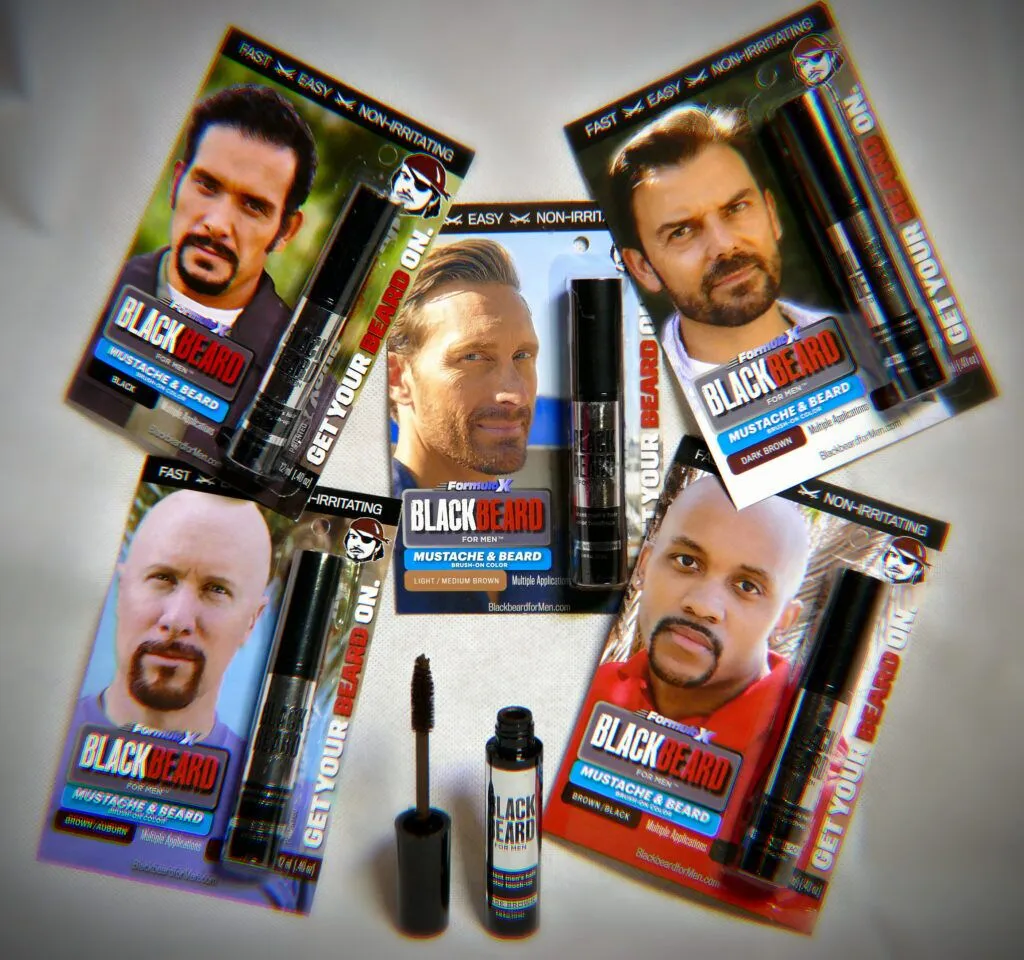
In this comprehensive guide, we'll break down how to identify your skin undertone, how undertones differ from surface tones, and how this knowledge leads to better shading choices for your skin. You’ll also learn actionable tips that will help you confidently choose everything from cosmetics to wardrobe colors.
Key Points
Understanding the difference between skin tone and undertone.
How to determine if you have a warm, cool, or neutral undertone.
The best makeup and clothing shades for each undertone.
Common undertone-matching mistakes and how to avoid them.
How lighting, environment, and product oxidation affect shade-matching.
What Is Skin Undertone?
Your skin tone is the surface color of your skin; light, medium, or dark. Your undertone, however, is the subtle hue beneath your skin's surface. While your skin tone can change with sun exposure, your undertone remains consistent throughout your life.
The Three Main Undertones
Warm: Hints of yellow, peach, or golden hues.
Cool: Hints of pink, red, or blue.
Neutral: A balance of both warm and cool tones.
Knowing your undertone is essential because it influences which shades of foundation, lip color, and even clothes will look the most flattering on you.
How to Determine Your Skin Undertone
1. The Vein Test
Look at the veins on the inside of your wrist under natural daylight:
If your veins look blue or purple, you likely have a cool undertone.
If they look green or olive, you're probably warm-toned.
If you see both blue and green tones, you may have a neutral undertone.
2. The Jewelry Test
Consider how gold or silver jewelry looks against your skin:
Cool undertones usually look better in silver.
Warm undertones tend to glow in gold.
Neutral undertones look good in both.
3. The White Fabric Test
Hold a piece of white clothing or paper next to your face in natural light. If your skin looks:
Pinkish or rosy, you're cool-toned.
Yellowish or golden, you're warm-toned.
Neither distinctly yellow nor pink, you’re likely neutral.
4. Sun Reaction
Think about how your skin reacts to sun exposure:
If you burn easily, you may have cool undertones.
If you tan easily, you likely have warm undertones.
If you burn and tan, you might have neutral undertones.
Choosing the Right Foundation Shade
Once you’ve identified your undertone, finding a foundation that complements it becomes significantly easier.
For Cool Undertones
Look for foundations labeled with descriptors like “cool,” “rosy,” “pink,” or “blue.”
Avoid foundations with too much yellow or golden pigment.
For Warm Undertones
Look for terms like “warm,” “golden,” “peach,” or “yellow.”
Avoid foundations that appear too pink or ashy.
For Neutral Undertones
You have more flexibility, look for foundations labeled “neutral.”
You may find both cool and warm shades work, but neutral offers the most natural look.
Concealer, Blush, and Lip Colors
Concealer
Stick with shades that align with your undertone. For covering dark circles, peachy concealers work for warm and neutral undertones, while pink or salmon works best for cool tones.
Blush
Cool undertones: Soft pinks, rose, and berry shades.
Warm undertones: Coral, apricot, and warm peach.
Neutral undertones: A wide range including dusty rose, mauve, and soft pinks.
Lipstick
Cool: Blue-based reds, pinks, and mauves.
Warm: Orange-based reds, peaches, and warm browns.
Neutral: Most shades depending on preference.
Choosing Hair Color Based on Undertone
Just as with makeup, hair color that complements your undertone enhances your features and gives a natural glow.
For Cool Undertones
Opt for cool browns, ash blondes, and cool blacks.
Avoid overly warm or golden shades.
For Warm Undertones
Golden blondes, honey browns, and rich auburns look great.
Stay away from overly ash or blue-based colors.
For Neutral Undertones
You can experiment with a wide spectrum, but soft, balanced shades tend to work best.
How Clothing Colors Enhance or Diminish Your Undertone
Wearing the right colors based on your undertone can make your skin look healthier and more vibrant.
Cool Undertones
Best colors: Blue, lavender, gray, emerald, and cool pinks.
Avoid: Earth tones like orange and mustard yellow.
Warm Undertones
Best colors: Earth tones, olive, orange, and warm reds.
Avoid: Icy or pastel colors that wash out your warmth.
Neutral Undertones
You can pull off most colors, but muted tones like jade, dusty pink, and taupe are especially flattering.
Common Mistakes to Avoid When Matching Shades
Testing under artificial light: Always test shades in natural daylight for the most accurate match.
Not letting products oxidize: Foundation may darken after application. Wait a few minutes before making a final decision.
Matching to your hand: Your hand may be a different color than your face. Always test on your jawline or neck.
Overlooking seasonal changes: Your surface tone may shift slightly between summer and winter, so reassess your shades seasonally.
FAQ
Can my undertone change over time?
No. While your skin tone may change due to sun exposure or other factors, your undertone remains constant throughout your life.
Is it possible to be between undertones?
Yes. Some people have neutral undertones, which are a balance of both warm and cool. This often allows for more flexibility in color choices.
Can lighting affect how a shade looks on me?
Absolutely. Natural daylight is the best light for testing shades. Fluorescent and incandescent lights can cast color tones that distort how a product truly appears on your skin.
What if a foundation matches my tone but not my undertone?
It’s important to match both. A shade that matches your surface tone but not your undertone can still look off, too ashy, too orange, or dull. Always test for both.
Do I need different shades for different seasons?
Possibly. While your undertone remains the same, your skin tone can darken in summer or lighten in winter, which may require minor adjustments in foundation or concealer shades.
How do I shop online when I can’t test shades?
Use online shade finders, compare swatches, read reviews, and look for photos of models with a similar undertone and skin tone. Stick to brands that offer detailed color descriptions and return policies.